
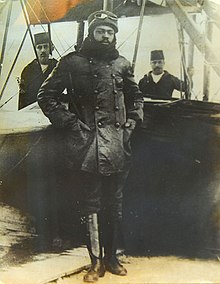
Many of our readers will be well aware of the Atlantic Slave Trade, in which the colonial powers of Western Europe imported West African slaves to their territories in the Americas. They will also be aware of the massive diaspora of persons of African descent in these places as a direct result of this. From communities who are minorities within their respective countries, such as African-Americans or Afro-Brazilians, to countries which are majority Black African such as Jamaica or Haiti, these groups exist under a shared national and racial identity, despite the unfortunate circumstances of their ancestors.
A lesser known, but still strong African diaspora can be found on the western coasts of Turkey: the decedents of those brought to the country through the Ottoman slave trade. As a result of bans on the enslavement of Muslims, Jews, or Christians (people deemed more favorable in the predominately Muslim empire), the eastern African coasts became a popular place to import slaves from. While the sheer volume of slaves imported certainly did not much that of the aforementioned Atlantic slave trade, it is estimated that the total number of people taken from Africa is in the hundreds of thousands, possibly over a million*. These slaves, not unlike their counterparts from around the world, were employed in a variety of roles, including domestic work in their master’s homes, agricultural work on plantations, or serving in the Ottoman military. Sexual slavery was also quite common, as was general abuse towards slaves and those of African descent.
In the decades following the collapse of the Ottoman Empire and the ban on slavery in its succeeding countries, the struggles of the Afro-Turk continues. Racism against Afro-Turks have drawn a line in the sand between them and the rest of turkey, and consequently caused many Afro-Turks to question their identity of who they are, and where they came from.
Via Alev Scott of the BBC (2016)
Afro Turks are nominally Muslim, with nothing to differentiate them from most Turks apart from an evidently different ethnic makeup. But as a prejudiced ethnic minority, they have tried over the generations to integrate as much as possible.
Many parallels can be drawn between the experiences of Afro-Turks and those of the more well-known African diasporic communities in the West. By examining the common themes of the many varying diasporas from around the world, we can begin to examine what it means to belong to a nationality, race, culture, or people.
*does not include Ottoman slaves previously taken from other parts of the world, such as the famed Janissaries.
 History for Empathy